All explainers
Explainer
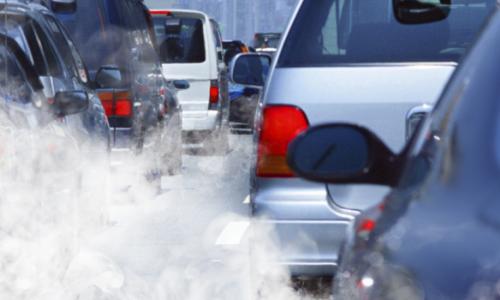
Car Emissions & Global Warming
Transportation is one of the largest sources of US global warming emissions—but cleaner vehicles can help.
Explainer

How Do Hybrid Cars and Trucks Work?
Hybrids use an internal combustion engine—and can be fueled like normal cars—but also have an electric motor and battery.
Explainer
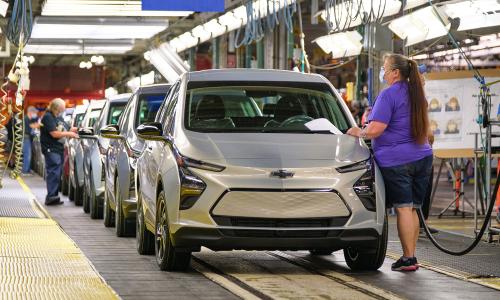
What Are Electric Cars?
Unlike conventional vehicles, electric cars and trucks use a motor powered by batteries or a fuel cell.
Explainer
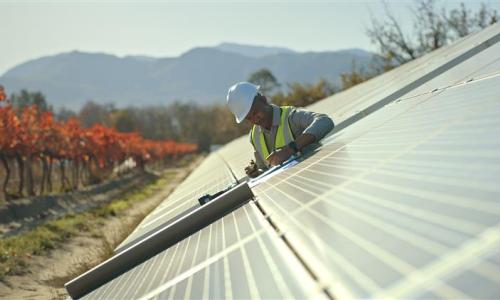
Benefits of Renewable Energy Use
Renewable energy—wind, solar, geothermal, hydroelectric, and biomass—provides substantial benefits for our health, our climate, and our economy.
Explainer

How Bad Are Fossil Fuels Actually?
The true costs of coal, natural gas, and other fossil fuels aren’t always obvious—but their impacts can be disastrous.
Explainer

The Hidden Costs of Fossil Fuels
The costs of gas, fuel, and other fossil fuels extend far beyond the gas pump or electric bill.
Explainer

Attribution Science
Attribution science shows us precisely how much climate change is shaping and changing our world.
Explainer

EV and Energy Storage Batteries Sustainability
The batteries that power electric vehicles and store energy are vital to cutting harmful emissions and they should be as low-impact as possible.
Explainer
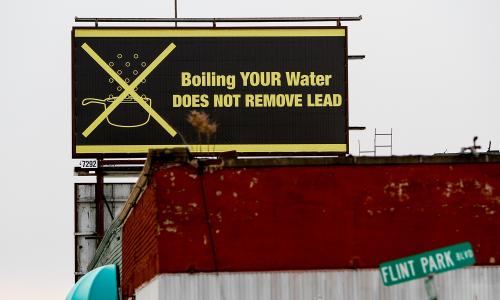
Applications of Climate, Energy, and Environmental Justice
Assessing the key different types of justice (distributive, procedural, and restorative) within the climate and energy movements can be challenging.
Explainer
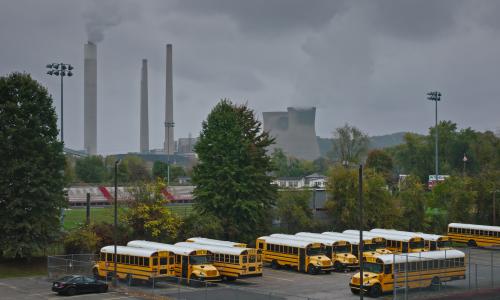
Environmental, Climate, and Energy Justice—What Do They Mean?
If you’ve encountered these concepts and aren’t totally sure what they mean—we got you.
Explainer

Ten Signs of Global Warming
Ten ways climate change affects our planet.
Explainer

Cumulative Impacts Policies
In the real world, no one is exposed to one pollutant from one source at a time. Cumulative impacts policies seek to address multiple exposures to pollutants and sources of pollution.